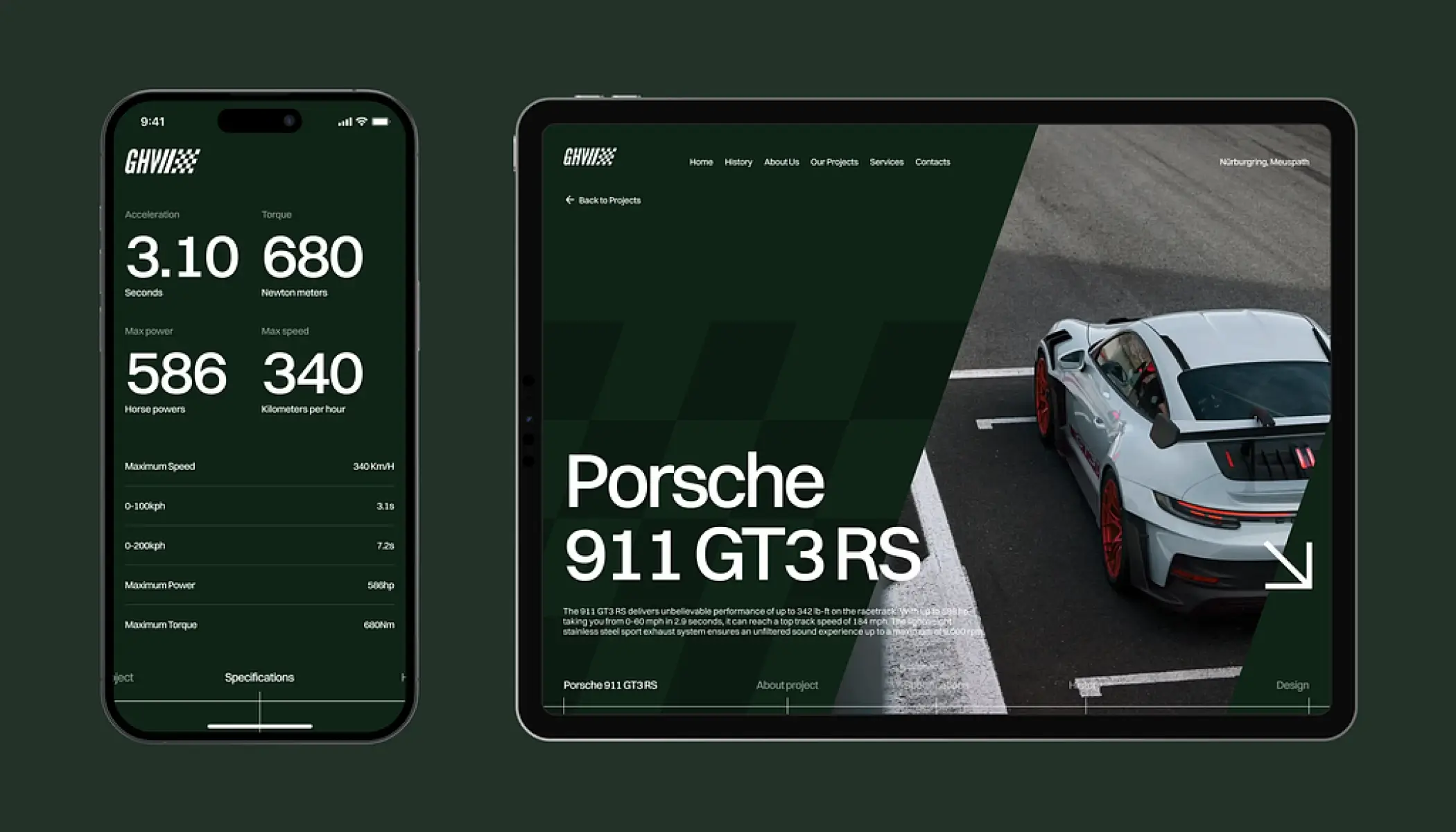
In a world where mobile devices dominate daily life, designing apps that delight users is more important than ever. A well-designed app not only looks appealing but also provides seamless functionality, intuitive navigation, and a memorable user experience. As we move through 2025, mobile app design continues to evolve, blending creativity, technology, and user-centric thinking.
The foundation of a great app lies in user experience (UX) design. Every element—from button placement to swipe gestures—should anticipate user behavior and make interactions effortless. Intuitive interfaces reduce friction, helping users achieve their goals quickly and enjoyably. Alongside UX, user interface (UI) design ensures visual appeal. Thoughtful use of color, typography, and iconography creates a cohesive look and reinforces brand identity.
Personalization has become a key trend. Modern apps leverage data to tailor content, recommendations, and notifications to individual users, enhancing engagement and satisfaction. Similarly, micro-interactions, such as subtle animations or haptic feedback, add delight and make the app feel responsive and alive.
Accessibility and inclusivity are no longer optional—they are essential. Designing apps that accommodate diverse needs, including visual, auditory, and motor accessibility, ensures a broader audience can enjoy the experience.
Emerging technologies like AI, AR, and voice integration are shaping the next generation of mobile apps. From AI-driven personalization to augmented reality experiences and voice-activated navigation, these innovations offer new ways to engage users meaningfully.
Ultimately, designing a mobile app that delights requires balancing aesthetics, functionality, and innovation. By prioritizing the user, staying updated with trends, and embracing emerging technologies, designers can create apps that not only meet expectations but exceed them, turning casual users into loyal advocates.